Edo Period
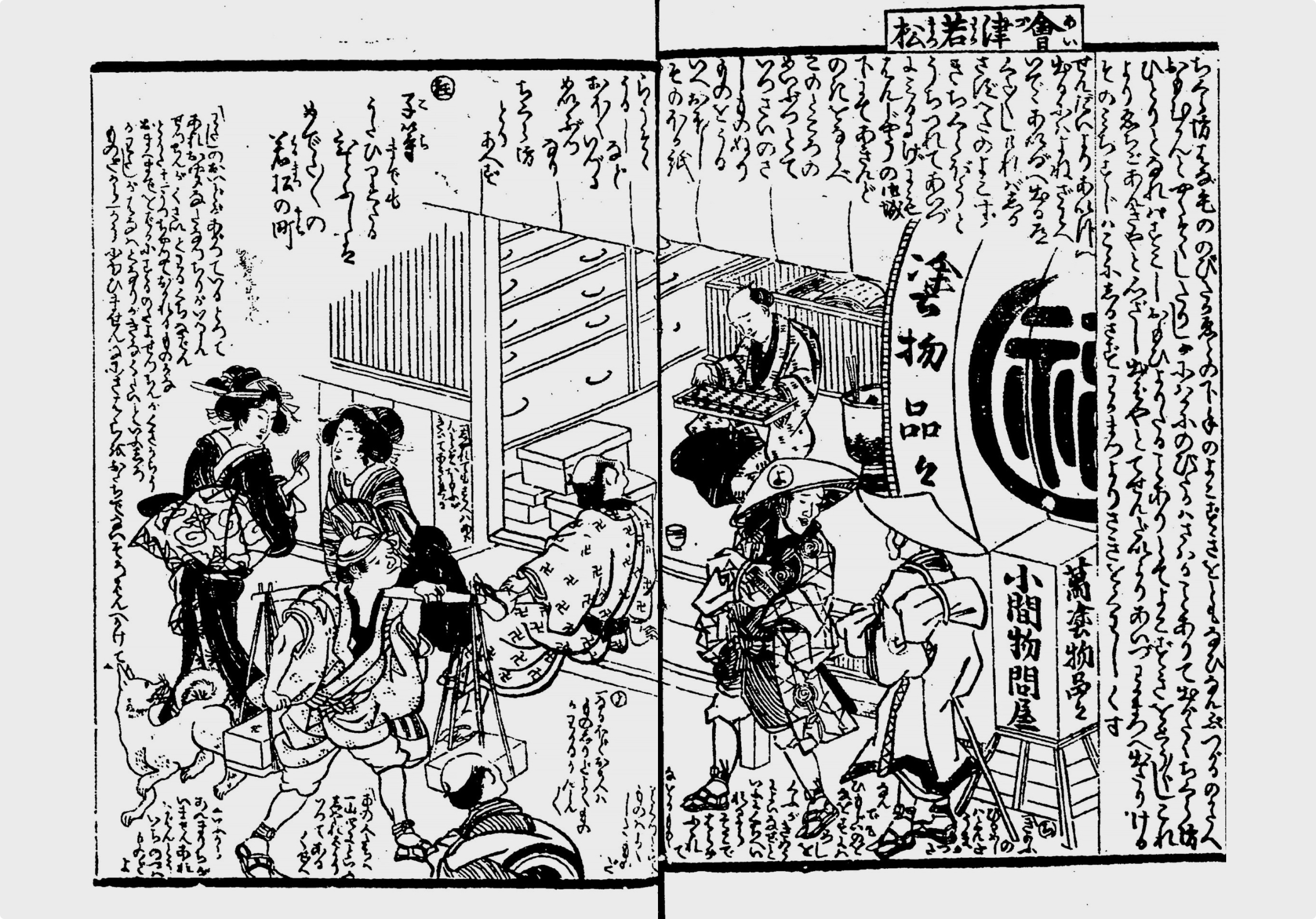
Prosperous castle town of Wakamatsu
The town that emerged from the siege of 1868 bore little resemblance to the prosperous castle town it had been only months before. Tsuruga Castle itself, though it had withstood weeks of bombardment, was ordered demolished by the new government in 1874, a decision that removed the town’s most visible landmark and, for many residents, its clearest symbol of what had been lost. Rebuilding, when it came, was gradual and largely driven by local initiative rather than central planning.
Former samurai families, no longer supported by domain stipends, had to find new livelihoods, and many turned to trades that drew on skills or resources the region already possessed. Sake brewing, silk production, and lacquerware — all long-standing local industries — took on new importance as sources of income for a population adjusting to life without the old domain structure. The town gradually added “Aizu” to its name, becoming Aizuwakamatsu, a small but telling assertion of regional identity even as the political structure of domains disappeared entirely.
By the later Meiji period, the city had stabilized around this new commercial base, and its schools, temples, and merchant houses formed the core of the modern city that exists today. The castle itself would not return until a concrete reconstruction was completed in 1965, but the civic identity rebuilt in the decades after 1868 proved far more durable than the physical fortress had been.