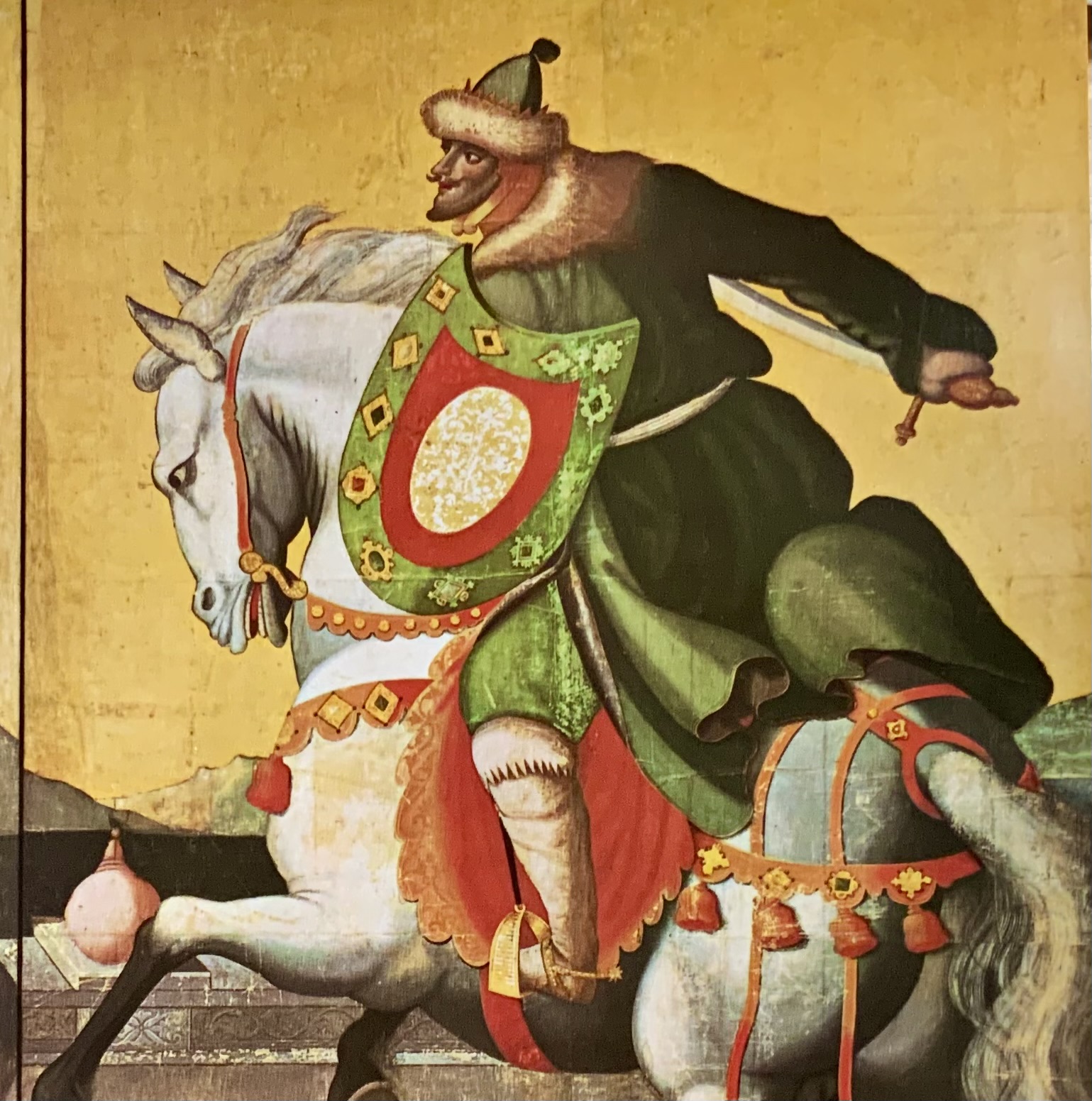
Sengoku
The Ashina Clan and the Founding of Kurokawa Castle
The origins of what is now Aizuwakamatsu trace back to the Ashina clan, a family that arrived in the region during the Kamakura period as retainers charged with administering the Aizu basin on behalf of the shogunate. Over the following centuries the Ashina steadily converted their administrative post into an independent domain, and by the fourteenth century they had established themselves as the dominant power in the region.
Their seat, Kurokawa Castle, was built on the flat land at the center of the Aizu basin rather than on a defensible mountaintop, a choice that reflected both confidence and pragmatism. A castle on the plain could anchor a proper town, draw merchants and artisans, and serve as a hub for the roads that connected Aizu to the wider Tohoku region. That town would, centuries later and under a different name, become the city known today as Aizuwakamatsu.
The Ashina were never the most powerful clan in the region, but for a time they were among the most stable, and their long tenure gave Aizu a degree of continuity that neighboring domains often lacked. It was this foundation of institutions, roads, and a fortified center that later rulers of Aizu — first the Gamo, then the Uesugi, and finally the Hoshina — would inherit and build upon.